Two kinds of AI projects come to us. Machines that already run and could do more: we add cameras, sensors and an edge AI controller so they spot defects, warn before failures and answer operators' questions. And new products where AI is part of the idea: we design the electronics, firmware, app and model together, so the intelligence runs on the device instead of being bolted on later. Wherever we can, models run on site, so your data stays with you.
Add cameras, sensors and an edge AI controller to the equipment you have. It learns what normal looks like, spots defects, warns before failures and answers your operators' questions, without replacing the machine.
MACHINE HEALTHLive
Vision checkPassing
Spindle vibrationNormal
Heater zone 2Check soon
Vision inspection and part counting
Predictive maintenance from vibration, current and heat
An operator assistant that runs locally, no cloud needed
Vision, prediction and assistants that run on site
AI for the machines you already run, and for the products you are about to build.
1Make an existing machine smarter
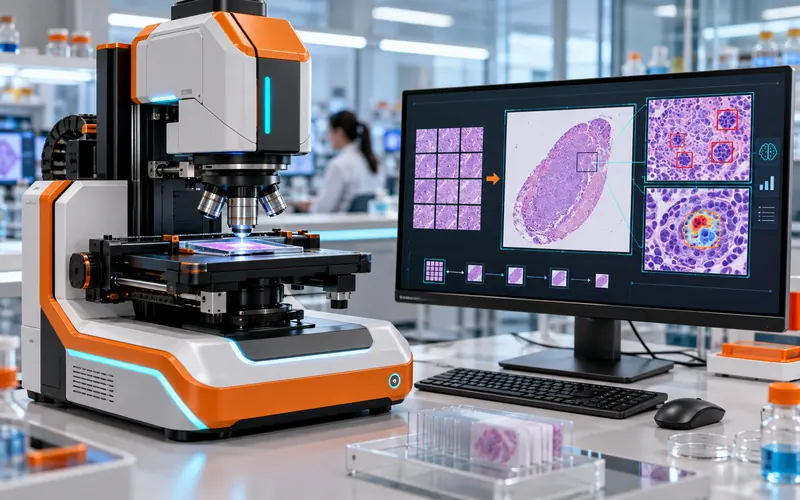
Vision inspection
Cameras and detection models that find defects, count parts and check assemblies as they pass, with images logged for traceability.
OpenCV
YOLO
Industrial cameras
Predictive maintenance
Vibration, current and temperature sensors feed models that learn the machine's normal behaviour and warn before motors, bearings or heaters fail.
Vibration
Anomaly detection
Alerts
Operator assistant
A local AI assistant that answers questions from your manuals, explains alarms and walks operators through procedures, without sending data to the cloud.
Local language models
Manuals and SOPs
Alarm help
Retrofit without risk
AI runs beside your PLC or controller and advises. Interlocks and safety functions stay in hardware, and switching the AI off returns the machine to how it ran before.
Edge AI box
PLC links
Safety in hardware
2Build AI into a new product
AI on the device
Small models running on microcontrollers and edge processors for sensor classification, gestures, vibration and voice, at low power and without a network.
TinyML
STM32 and ESP32-S3
Edge processors
Vision and sensor fusion
Camera, radar and thermal pipelines on Jetson, Raspberry Pi or NPU modules: the approach behind our contactless vital-signs monitor.
Jetson
Raspberry Pi
Sensor fusion
Natural-language control
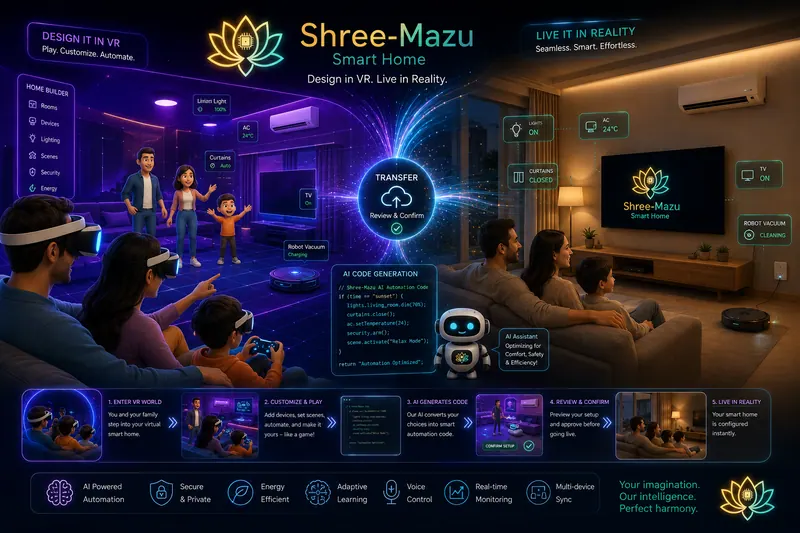
Products you can simply talk or type to. Plain requests become actions, as in our Shree-Mazu Workbench, where a local assistant writes the controller logic.
Local language models
Voice
Plain-English control
Apps with AI insights
Companion apps and dashboards that show predictions, trends and recommendations instead of raw numbers.
Mobile
Web dashboards
Time-series data
3Data and models
Data collection
Data loggers and capture rigs on your machines or prototypes, and labelled datasets that belong to you.
Data logging
Labelling
Your datasets
Training and validation
Models trained, then tested on data they have never seen and on the real machine, with the results reported plainly before anything goes live.
PyTorch
TensorFlow
Validation
Deployment and updates
Models optimised for the target hardware and updated over the air as they improve.
TensorRT
ONNX Runtime
OTA updates
Where the AI runs
On the machine, beside it or on a computer in your building. The hardware is chosen for the job, not the other way round.
NVIDIA Jetson
Vision and multi-camera AI at the edge.
Raspberry Pi and Compute Module
Kiosks, gateways and lighter vision models.
STM32 and ESP32-S3
AI on microcontrollers for sensors, vibration and voice.
SMZ-F4000
Our own controller, programmed through a local AI assistant.
Industrial PCs and on-site servers
Heavier models and local language models, kept on your premises.
Your existing PLC
AI results passed to the controls you already have over Modbus or digital I/O.
Process
How a project runs
01
AI discovery call
What should get smarter, what data exists and what a good result is worth to you. If AI isn't the right tool, we say so.
Use-case shortlist
Data check
02
Data and feasibility
Sample data collected from your machine or prototype, and a first test of whether a model can do the job.
Sample dataset
Feasibility result
03
Proof of concept
A working model on real data, measured against the target you set.
Working demo
Accuracy report
04
Integration
Sensors, edge hardware, firmware and app connected to your machine or built into your product.
Edge device
Integration tests
05
Pilot
The system runs alongside normal operation until it has proved itself, and the model is tuned on what it sees.
Pilot report
Tuned model
06
Rollout and support
Deployment across machines or into production, with monitoring and model updates.
Deployment
Update plan
What you receive
Everything is yours at handover, including the source and its history.
A working AI system
Hardware, models and software running on your machine or in your product.
Trained models
Model files with training code, versions and test results.
Your dataset
The collected and labelled data, which you own.
Accuracy report
How well it works on real data, and where it doesn't.
Full source code
Firmware, apps and data pipelines with complete Git history.
Integration documents
Wiring, interfaces and how AI results reach your controls.
Operator guide
What the system does and how to act on what it says.
Update plan
How models are retrained and rolled out over time.
Tools
Tools we use
Model training
PyTorch and TensorFlow
Detection, classification, anomaly and time-series models.
Computer vision
OpenCV and YOLO
Inspection, counting and measurement pipelines.
Edge deployment
TensorRT, TFLite and ONNX Runtime
Models made fast enough for the hardware they run on.
Assistants
Local language models
Assistants that run on site, so manuals and machine data never leave the building.
Machine data
Node-RED, InfluxDB and Grafana
Collecting, storing and charting live machine data.
Data pipelines
Python
Data capture, labelling tools, training and reports.